Skip to Main Content
Domaine Serene employees holding pinot noir whole grape clusters.

Innovating for the Land. Crafting with Excellence. Investing in the Future. Stewardship

At Domaine Serene, stewardship is more than a philosophy. It is the daily work of caring for the land that sustains us, pursuing excellence in every wine we craft, reducing our impact with intention, and investing in the people and communities who shape our future.

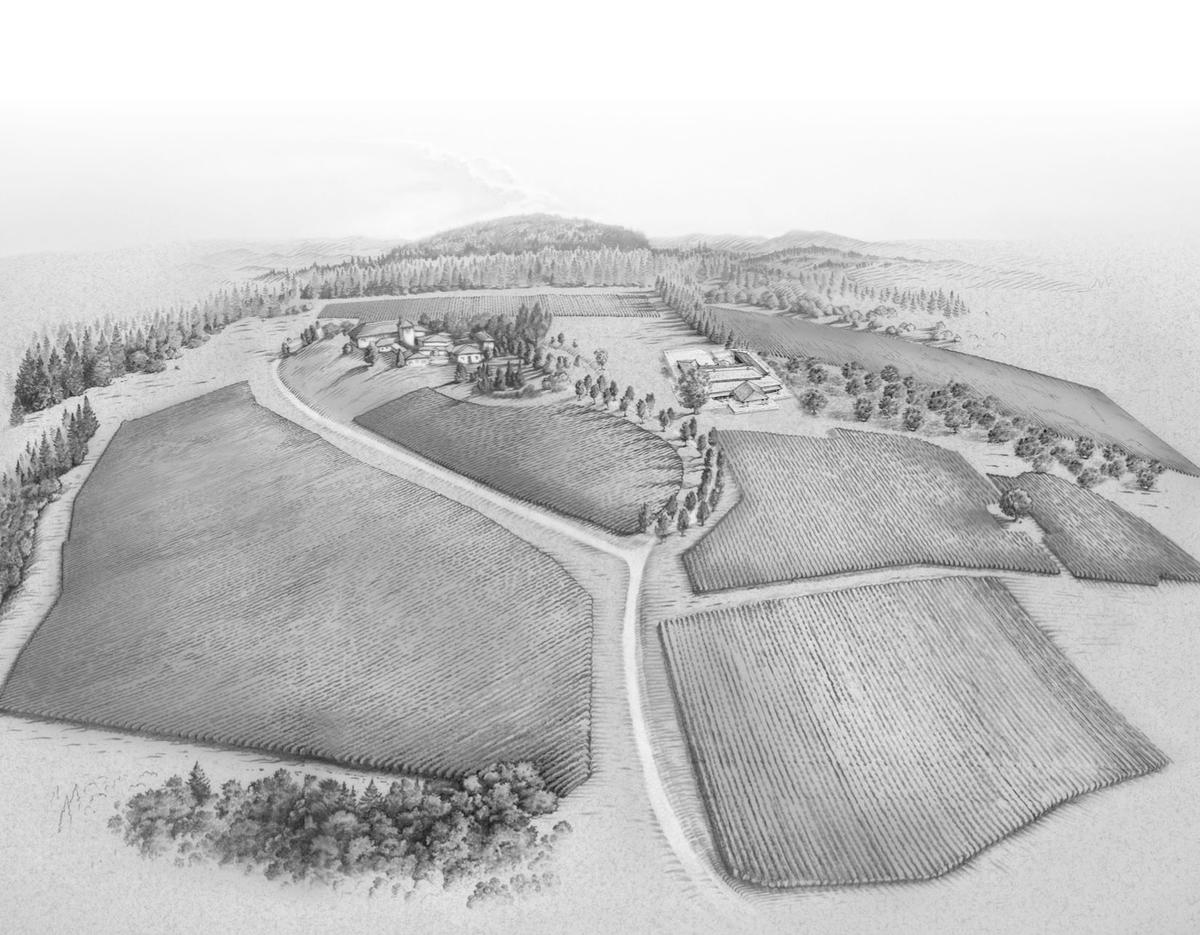
Hand drawing of the Domaine Serene property

Innovation in Action A Founders' Vision

When Grace and Ken Evenstad founded Domaine Serene in the Dundee Hills, they brought with them a defining challenge; to craft wines from Oregon capable of rivaling the finest in the world. That pursuit has always required patience, precision, innovation, and a deep respect for place.

Today, that same standard guides how we care for our land. Stewardship at Domaine Serene means looking beyond a single vintage and making decisions that protect the health of our vineyards, preserve the beauty of our estate, strengthen our communities, and ensure this land remains vibrant for generations to come.

Trackable Results Measurable Impact

Harvesting vineyards

STEWARDSHIP IN ACTION

We believe meaningful stewardship should be both felt and measured. 

From land preservation and farming practices to packaging innovation and third-party certification, Domaine Serene continues to invest in practices that reduce impact while protecting the quality and integrity of our wines.

Graces Grove Oak Habitat

LAND PRESERVATION

65% of our 1,000 acre Oregon estate is preserved

Including forest, oak savannah, and riparian zones, these natural lands sequester more than 1,500 metric tons of CO₂ annually.

Bottling unmarked bottles

SUSTAINABLE GLASS

495 grams—30% lighter

The Cépage Eco bottle uses 86.7% recycled cullet and approximately 250,000 fewer pounds of glass per vintage, reducing carbon impact by 15 metric tons in one bottling season while preserving the classic Domaine Serene silhouette.

Corks

NATURAL CORK

250 metric tons of CO₂ retained annually

Supported through Domaine Serene’s use of natural cork as a renewable packaging material.

An aerial drone image of the Jerusalem Hill Vineyard in Eola-Amity Hills

LIVE CERTIFIED

Among fewer than 2.5% of Oregon wineries to achieve LIVE winery certification

Domaine Serene’s Oregon vineyards have been LIVE certified since 2013, with certification extending to winery operations beginning with the 2025 vintage.

Domaine Serene employees in the vineyard of Dundee Hills.

SOCIAL RESPONSIBILITY

Investing in the people, communities, and future of the wine industry

Through our employee-led Vertical Initiative, team members help select the charitable causes Domaine Serene supports each year. Alongside partnerships with ¡Salud!, AHIVOY, Women in Wine & Spirits, and the Maurice Lucas Foundation, these efforts help expand access to healthcare, education, professional development, and meaningful opportunity.

Beyond Vineyards Stewarding the Land

Our responsibility to the land extends beyond the vineyard. We restore native habitats, support biodiversity and pollinators, reduce wildfire risk, and use regenerative farming practices that strengthen soil health and vineyard resilience. From cover crops and reduced tilling to composting, sheep grazing, and responsible water use, each practice helps protect the landscape that shapes our wines. 

65% of our 1,000 acre Oregon estate is preserved; including forest, oak savannah, and riparian zones. These natural lands sequester more than 1,500 metric tons of CO₂ annually.

Bees on vineyard flowers

Supporting Pollinators & Biodiversity

Graces Grove Oak Habitat

Preserving Natural Lands

Grace Vineyard

Reducing Wildfire Risk

Bottling unmarked bottles

Lighter By Design

Sustainable Glass

In partnership with Saverglass, Domaine Serene developed the Cépage Eco bottle to reduce packaging impact while preserving the classic silhouette and elevated presentation of our wines.

At 495 grams, the bottle is 30% lighter than the standard Cépage bottle. Its first production run used 86.7% recycled cullet, reducing glass use by approximately 250,000 pounds per vintage and carbon impact by an estimated 15 metric tons in one bottling season.

Corks

Giving Natural Cork a Second Life

Cork

Our commitment to natural cork continues after the bottle is opened. Since joining Cork Collective as a collection partner in March 2026, Domaine Serene has recycled 22,500 cork stoppers, diverting them from landfill while keeping nearly 7 metric tons of CO₂ sequestered.

Collected corks are transformed into materials for playground surfacing and public community spaces, replacing plastic and rubber alternatives and creating a circular path from bottle to community.

Aerial shot of Cote Sud vineyard in Dundee Hills Oregon

From Vineyard to Winery

LIVE Certified

Domaine Serene’s Oregon vineyards have been LIVE certified since 2013, and beginning with the 2025 vintage, that commitment extends to our winery operations.

Fewer than 2.5% of Oregon wineries hold LIVE winery certification, reflecting rigorous standards across farming, water and energy use, materials, packaging, employee well-being, and continuous improvement.

Caring for People and Community Social Responsibility

Through workplace safety, our employee-led Vertical Initiative, support for wine education, and philanthropy, we invest in the people and communities helping shape the future of the wine industry.


Our commitment extends beyond our own team through support of organizations including ¡Salud!, AHIVOY, Women in Wine & Spirits, and the Maurice Lucas Foundation, helping expand access to healthcare, education, opportunity, and resources for vineyard stewards, emerging leaders, and future generations.

Learn More
Domaine Serene vineyard
Clubhouse Patio

See Stewardship in Action

Plan Your Visit

Walk the pathway through Grace’s Grove Oak Habitat, discover wildflowers and pollinator-friendly plantings surrounding our vineyards, and experience how thoughtful stewardship shapes the beauty, vitality, and character of our estate.

Then, taste the difference that healthy soils, thriving biodiversity, and an enduring respect for place can make in every glass.